
Get a plan made for your unique body and goals
Intermittent Fasting: The Surprisingly Simple Habit with Powerful Benefits


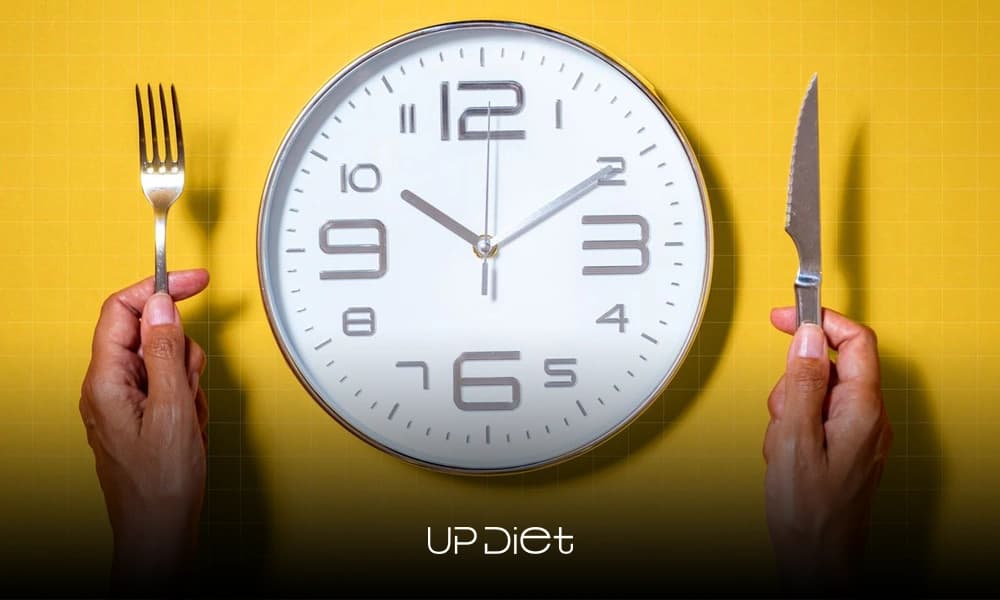
Intermittent fasting (IF) isn’t a specific diet that dictates what you eat; it’s a pattern for when you eat. It gives the body regular breaks from eating, which helps activate intermittent fasting benefits like better metabolic health, hormonal balance, and more.
It’s also considered a lasting lifestyle method, as it combines biological perks with practical flexibility. Let’s take a closer look at how this “diet” works, its proven benefits, food lists, starting tips, and myths to watch out for.
What Is Intermittent Fasting?
The core principle of IF is fasting windows (with minimal or no calorie intake) and eating windows (normal food intake). These periods lead to metabolic rest, which happens when the body switches from using glucose from recent meals to stored fat and ketones to produce energy, without constant metabolic stress.
IF also improves key regulatory hormones. It lowers circulating insulin levels and increases the growth hormone (HGH). Fasting affects glucagon, cortisol, and thyroid hormones as well, all of which are linked to better circadian rhythms and metabolic regulation, based on this PubMed article.
IF is flexible as well, not prescriptive. It features multiple methods and adapts to different lifestyles and day-to-day plans. You can choose daily time-restricted windows or multi-day patterns, but the core principle remains consistent: scheduled fasting-eating phases instead of calorie restriction only.
Popular Intermittent Fasting Methods
IF has different protocols for time-restricted eating. Here’s a breakdown of its major, most popular methods:
- 16:8: In this method, you have an 8-hour window for eating (like noon to 8 p.m.) and then fast for 16 hours.
- 14:10: You eat during a 10-hour window and fast for 14 hours. This style is gentler on time restrictions and easier to sustain, good for beginners.
- 12:12: Fasting and eating windows are both 12 hours. This is the easiest approach, as much of the fast is overnight, making it a great starting point before longer fasting windows.
- 5:2 (Modified Fasting): In this diet, you eat normally 5 days per week and then switch to about 500-600 calories on 2 non-consecutive days of your choosing. 5:2 is perfect for people who want flexibility and fast only a few days each week.
- Eat-Stop-Eat: This method consists of a 24-hour fast once or twice per week (dinner to dinner, for example). Eat-Stop-Eat is for those who prefer full-day fasts instead of daily windows. Water and non-caloric beverages are allowed during the fast.
- Alternate-Day Fasting (ADF): In ADF, you alternate between fasting days (very low or no calories) and normal eating days. Some versions allow about 500 calories on fasting days, but it’s still one of the more intensive patterns.
- One Meal a Day (OMAD): This method allows eating one main meal each day (usually within a 1-hour window), followed by a 23-hour fast.

Science-Backed Health Benefits
Intermittent fasting benefits include lower cholesterol, improved blood pressure/sugar, less inflammation, fewer aging-related conditions, weight loss, and more. According to multiple studies, including this NIH narrative review, these are the key mechanisms behind such health perks:
- Improved insulin sensitivity: IF is associated with lower fasting insulin and glucose levels and improved insulin sensitivity, especially in people with metabolic syndrome and obesity.
- Reduced inflammation: IF has been shown to lower chronic inflammation. As you might know, chronic low-grade inflammation is the main cause of many cardiometabolic diseases.
- Fat loss and metabolic health: IF often reduces body weight, body fat, and triglycerides (the most common type of fat in the body). It may also improve blood pressure and fat levels.
- Autophagy and cellular repair: Intermittent fasting benefits also include activating mechanisms that support repair processes such as autophagy (where cells clear and recycle damaged components).
- Brain function: IF helps the brain use ketones for energy and boosts BDNF (brain-derived neurotrophic factor). This enhances cognitive function and protects against disorders like Alzheimer’s and Parkinson’s.
- Overall longevity: Studies also suggest that IF may slow the aging process and reduce age-related diseases, mostly by affecting pathways that influence aging and improve stress resistance.
What Happens in the Body During Fasting?
Your body experiences several physiological changes when fasting. As the body uses its stored energy, blood glucose levels drop. Fat oxidation increases, too, and provides ketones as an alternative fuel.
There are also hormonal shifts (insulin decreases, glucagon and growth hormone rise) and digestive rest since the gut isn’t processing any food. Finally, cellular repair processes like autophagy are activated to remove damaged components.
Intermittent Fasting Food List
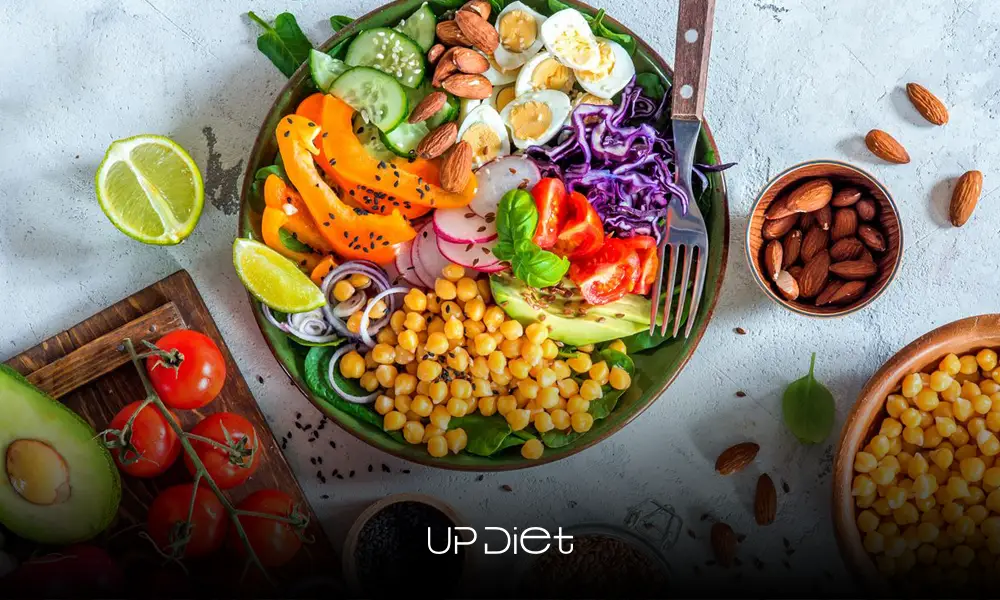
While IF is more focused on when you eat your meals, food quality still matters for health reasons and maximizing intermittent fasting benefits. Here are the recommended foods, supportive foods, and foods that are best to limit or avoid in IF:
How to Start an Intermittent Fasting Plan
The key to benefiting from IF is starting gradually and mindfully. The goal should be adjusting when you eat, without drastically cutting calories or stressing your body. Here’s a practical guide to start safely and sustainably:
- Choose a beginner-friendly method like 12:12 or 14:10. This way, your body has time to adjust without excessive hunger or fatigue.
- Gradually extend the fasting window once you get comfortable. Try 16:8, for example. If there are any side effects like headaches or irritability, increase the fasting window slowly over 1-2 weeks.
- Drink water, herbal tea, or black coffee during fasting hours. Staying hydrated keeps hunger signals in control while supporting metabolism.
- Focus on nutrient-dense foods (vegetables, lean proteins, whole grains, healthy fats, fiber) in eating windows. They keep you full during the fasting phase and control blood sugar.
- Avoid overeating or “binge” meals. Intermittent fasting benefits happen only when you eat like before, not compensating for the fasting period. So, eat until satisfied, not stuffed.
- Don’t ignore your body and pay attention to its responses. Monitor your energy levels, mood, sleep, and digestion. Don’t hesitate to adjust fasting duration if you feel excessively tired or unwell.
- Decide which method(s) work best for your lifestyle to plan your meals and routine. This leads to consistency that helps regulate hunger hormones and boosts benefits.
Is Intermittent Fasting Safe for Everyone?
Intermittent fasting is generally safe for many healthy adults. However, it’s not suitable for everyone due to differences in health status, medical history, and life stage. IF may not be appropriate or should only be done under medical supervision for the following groups:
- Pregnant or breastfeeding women who need more energy and nutrients (and more consistent).
- People with a history of eating disorders. Fasting can actually make such patterns worse.
- Individuals with type 1 diabetes or insulin-treated type 2 diabetes due to a higher risk of hypoglycemia.
- People with certain medical conditions, like advanced kidney disease or gout, plus those who take medications that require food timing.
- Underweight individuals or those with malnutrition risk.

Common Misconceptions
A common misunderstanding is that “Fasting slows metabolism” or “Puts you in starvation mode”. Short-term IF doesn’t do that and may even enhance metabolic rate slightly. Actual metabolic slowdown is usually a result of long-term severe calorie restriction, not typical IF methods like 16:8 or 5:2.
Some also think that “Fasting equals starvation”, which is also not true. IF is simply a controlled eating pattern, not the dangerous, long-term lack of food seen in starvation. It leads your body to shift its fuel source (to fats and ketones), and it’s nothing more than a normal metabolic response.
Another risky misconception is that “You can eat anything during the eating window”. Well, IF can’t make up for poor food choices. You still need to eat healthy and limit nutrient-lacking, high-sugar, ultra-processed foods so they can’t undermine your efforts.
“IF causes significant muscle loss” is also incorrect. As long as you hit your daily protein goals and include resistance training, typical IF patterns won’t cause significant muscle loss. What can put lean mass at risk is very long fasts or inadequate nutrition.
“IF is only for weight loss” is a myth, too. Weight management is just one of the intermittent fasting benefits, and its outcomes go beyond that. As studies show, IF also affects insulin sensitivity, inflammation, metabolic flexibility, hormonal balance, and cellular processes.
Final Thoughts
Intermittent fasting focuses on timing instead of complex rules. It aligns eating patterns with the body’s natural metabolic rhythms, leading to growing scientific evidence. It’s also flexible, which makes it easier to adapt, sustain, and integrate into your long-term lifestyle.





- In this post:
- What Is Intermittent Fasting?
- Popular Intermittent Fasting Methods
- Science-Backed Health Benefits
- What Happens in the Body During Fasting?
- Intermittent Fasting Food List
- How to Start an Intermittent Fasting Plan
- Is Intermittent Fasting Safe for Everyone?
- Common Misconceptions
- Final Thoughts